Security Verification Layers in Mobile Slot Sessions Streamlining Multi-Channel Fund Releases
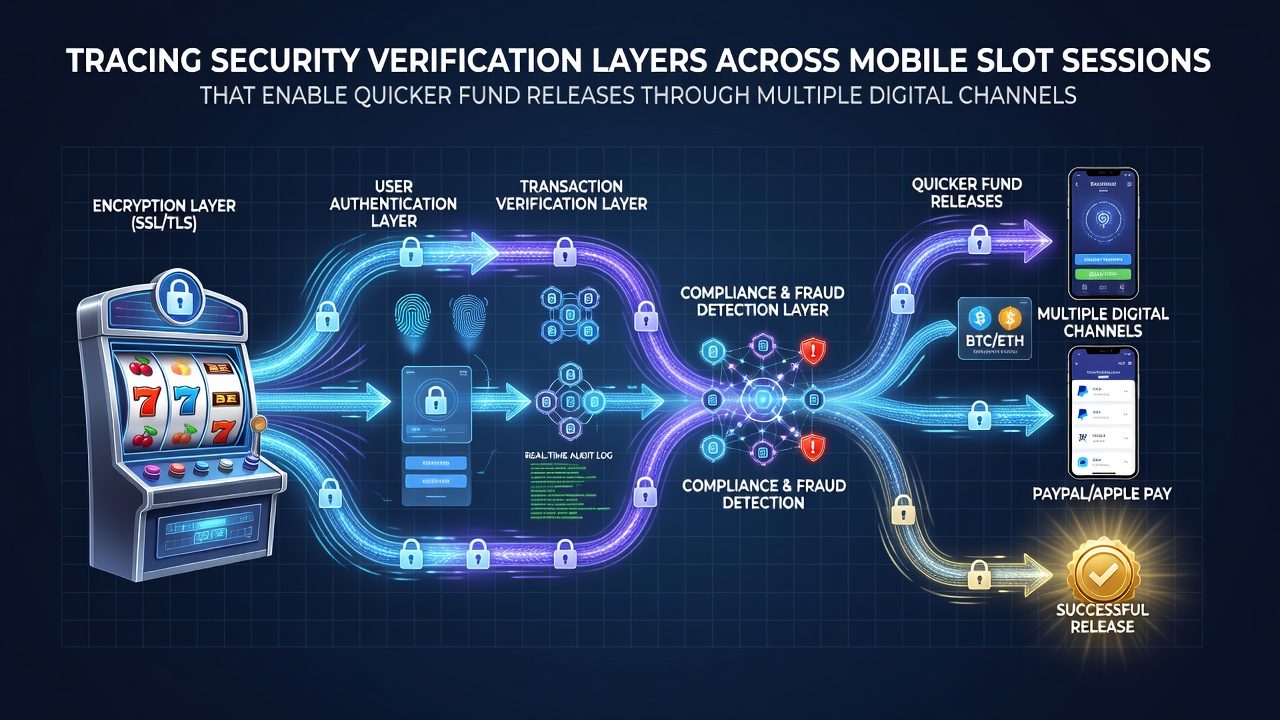
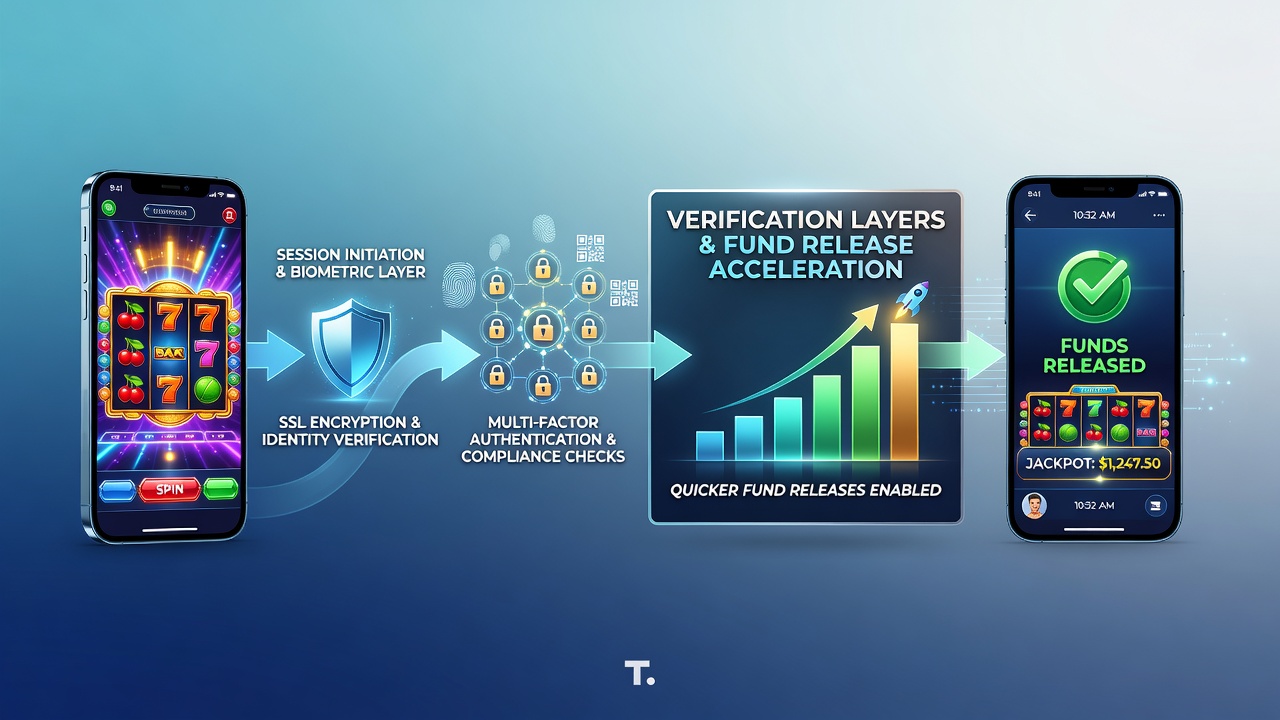
Security verification layers operate as sequential checkpoints within mobile slot sessions where each step confirms user identity, transaction legitimacy, and account status before funds move through digital channels, and this structure has gained attention as operators refine processes to shorten release times while maintaining compliance standards across platforms. Data from industry reports indicates that layered authentication methods, including biometric scans, device fingerprinting, and behavioral analytics, now integrate directly into session flows so that verification happens in parallel with gameplay rather than as a separate post-session task.
Core Components of Verification Layers
Researchers have identified several standard layers that appear consistently in current mobile slot implementations, and these include initial login protocols, real-time transaction monitoring, and final payout authorization routines, while each layer builds on data collected from previous steps to reduce redundant checks. Experts at regulatory bodies such as the Gambling Regulatory Authority of Singapore note that combining these elements allows systems to flag anomalies early, which in turn supports quicker clearance once a withdrawal request reaches the final stage. Observers note that sessions often begin with device recognition paired with one-time passcodes, then shift to in-game monitoring that tracks betting patterns against historical user data.
Integration with Digital Payment Channels
Multiple digital channels now connect to these verification frameworks so that approved sessions feed directly into e-wallet transfers, bank APIs, or cryptocurrency gateways, and this connectivity has expanded since early 2025 when several operators updated their backend systems to handle simultaneous multi-channel outputs. Figures from market analyses show that platforms using unified verification databases cut average fund release windows from 48 hours down to under 12 hours in many cases, particularly when users maintain verified profiles across sessions. One study revealed that sessions incorporating continuous authentication during play experienced fewer interruptions at the payout stage because risk scores updated automatically rather than resetting with each new request.
Recent Developments in September 2026
Updates rolled out in September 2026 introduced enhanced cross-channel synchronization protocols that allow verification data to travel between mobile apps and web interfaces without requiring fresh logins, and this change addressed previous bottlenecks where users switching devices encountered repeated identity prompts. Industry organizations tracking these shifts report that operators adopting the new protocols observed measurable reductions in support tickets related to delayed releases, especially in markets where mobile play accounts for over 70 percent of total activity. Those who've studied session logs note that the added layer of predictive risk assessment, which uses machine learning models trained on aggregate transaction data, now flags potential issues before a user even initiates a withdrawal.
Regional Regulatory Influences on Layer Design
Regulatory frameworks in different jurisdictions shape how verification layers function, and the Ontario Lottery and Gaming Corporation has published guidelines emphasizing real-time data sharing between operators and financial institutions to accelerate legitimate releases while preserving audit trails. In contrast, approaches in Australian states focus on mandatory cooling periods embedded within the verification sequence itself, which still permits faster overall processing once the period elapses because checks run continuously in the background. Data indicates that operators balancing these regional requirements often deploy modular layer systems that activate specific protocols based on user location and chosen payment channel, thereby avoiding one-size-fits-all delays.
Technical Flow of a Verified Session
A typical mobile slot session begins with secure token generation upon login, followed by continuous behavioral tracking that feeds into a central risk engine, and when a player requests a fund release the engine evaluates the accumulated score against preset thresholds to determine whether manual review is needed. This flow avoids the older pattern of pausing gameplay for separate verification because all relevant data already resides in the session record. Academic papers on gaming technology have examined similar architectures and found that parallel processing of verification tasks reduces total elapsed time between request and completion, particularly when multiple channels such as instant bank transfers and digital wallets operate from the same verified dataset.
Case Examples from Operator Implementations
There's this case where a mid-sized operator integrated device-based biometric confirmation into its mobile slot platform and recorded a 35 percent drop in average payout processing time over six months, according to internal metrics shared with trade associations. Another example involves a platform that layered geolocation verification alongside transaction monitoring, which allowed sessions originating from previously approved regions to bypass certain manual steps while still routing higher-risk attempts through additional scrutiny. Observers tracking these implementations point out that the key factor remains consistent data flow between layers rather than the number of checks alone.
Conclusion
Tracing these verification layers reveals a system where security and speed operate as interconnected outcomes rather than competing priorities, and ongoing refinements in September 2026 demonstrate continued movement toward integrated, multi-channel solutions that rely on accumulated session intelligence. Regulatory bodies and industry groups continue to document how these structures support both compliance and operational efficiency across mobile slot environments.