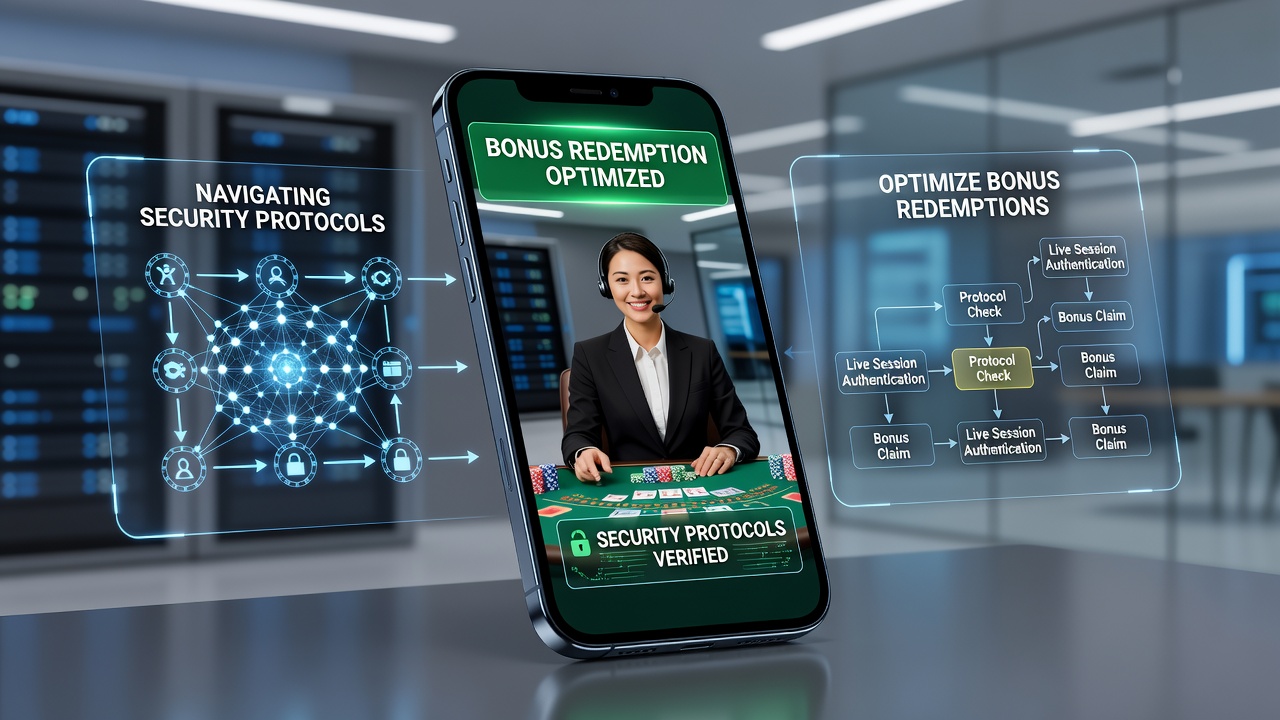
Navigating Mobile Security Frameworks for Efficient Bonus Redemptions in Live Dealer Gaming
Security protocols in mobile live dealer sessions involve multiple layers of encryption, authentication, and verification that directly influence how quickly players can access and redeem bonuses during active gameplay, and industry reports show these systems have grown more sophisticated since the expansion of real-time streaming platforms. Data from regulatory filings indicate that mobile users encounter additional checkpoints compared to desktop environments because device mobility introduces variables like network fluctuations and app permission changes.
Core Components of Mobile Security in Live Dealer Environments
Encryption standards such as TLS 1.3 combined with device-specific biometrics form the foundation of secure sessions, while researchers note that these measures protect both player data and bonus integrity during high-volume table games. Authentication flows typically require two-factor verification at login and again before any redemption request, yet seamless integration of facial recognition or fingerprint scans can reduce friction when platforms configure them properly. Observers have documented that session tokens generated for live dealer streams expire at set intervals to prevent unauthorized access, and this timing affects how bonus codes trigger automatically within the game interface.
Impact of Verification Layers on Redemption Speed
Know-your-customer checks integrated into mobile apps often run in the background during live sessions, pulling data from device sensors and network signals to confirm location and identity without interrupting play, but delays surface when cross-referencing fails due to temporary signal loss. Studies from academic sources reveal that multi-channel fund release systems now synchronize with these verifications so bonus redemptions complete in under thirty seconds once initial protocols clear. In October 2026 regulatory updates from several jurisdictions highlighted the need for real-time compliance monitoring, which pushed developers to embed automated compliance scripts that flag unusual redemption patterns while the dealer stream continues uninterrupted.
Device permissions for camera access, location services, and push notifications play a direct role because live dealer games rely on constant video feeds and instant notifications for bonus availability, and platforms that request these permissions upfront experience fewer mid-session interruptions. Those who have examined user logs find that battery optimization settings on certain operating systems can throttle background processes, leading to re-authentication prompts that stall bonus claims.
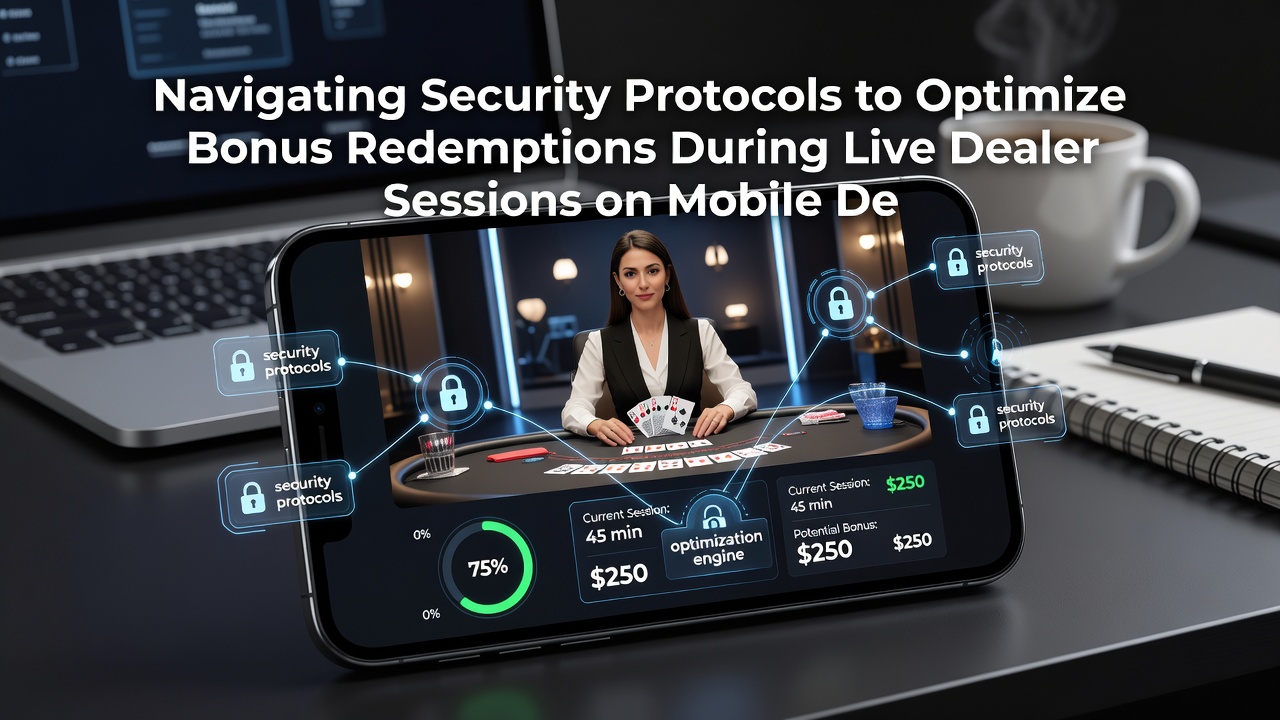
Optimizing Protocols Without Sacrificing Security
Platform operators have adopted token-based session management that refreshes silently while players remain at the table, and this approach allows bonus eligibility to update continuously without requiring manual re-entry of credentials. Industry analyses demonstrate that combining hardware security modules with cloud-based risk scoring reduces false positives during redemption attempts, enabling legitimate claims to process faster across international networks. Experts observe that players benefit when apps offer granular control over security preferences, such as choosing between biometric or PIN fallback, because these options align with individual device capabilities and network conditions.
Geolocation verification tied to bonus terms must account for mobile movement across cell towers or Wi-Fi handoffs, and data shows that hybrid location services combining GPS with IP checks maintain accuracy without triggering repeated security holds. Research institutions tracking mobile gaming trends report that integration of secure enclave technology on modern smartphones has shortened the average time between bonus trigger and fund release by measurable margins in live dealer formats.
Regulatory Context and Industry Practices
According to findings published by the National Institute of Standards and Technology, mobile security frameworks emphasize continuous authentication methods that adapt to context, and these principles now appear in gaming applications to balance protection with user experience. Figures from the Australian Gambling Research Centre indicate rising adoption of behavioral analytics that monitor swipe patterns and session duration to detect anomalies, allowing bonus redemptions to proceed when patterns remain consistent with established profiles. European regulatory bodies have similarly updated guidelines on data minimization during live sessions, which encourages platforms to limit stored verification data and thereby streamline subsequent access requests.
Conclusion
Mobile live dealer environments continue to refine how security protocols interact with bonus mechanics, and available evidence points to ongoing improvements in both speed and reliability through layered technical controls. Observers note that successful navigation depends on alignment between device settings, app configurations, and regulatory requirements, while data from multiple regions shows measurable gains in redemption efficiency when these elements function together. Future adjustments will likely build on current practices as technology and oversight evolve in tandem.